AI Nutrition Checklist: Simple Daily Meals & Weekly Review
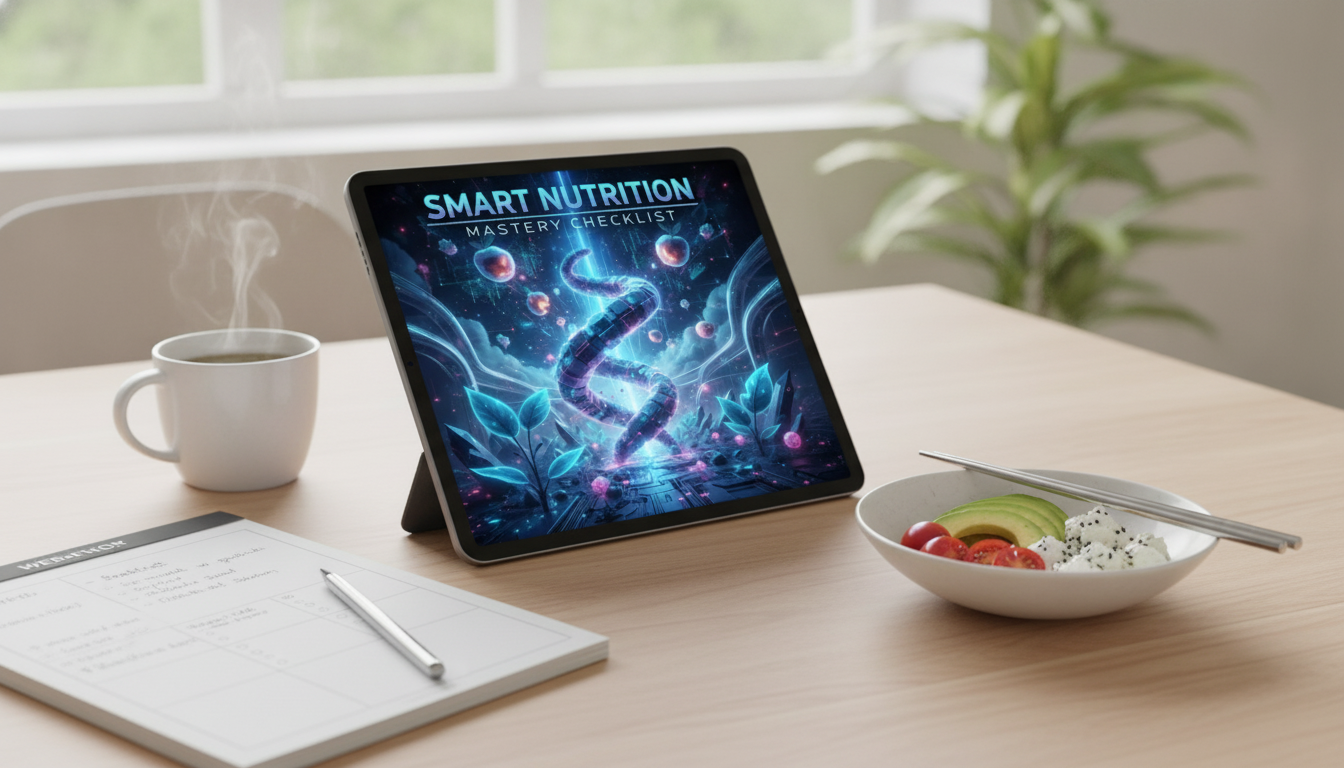
Smart Nutrition Mastery Checklist: A Simple AI-Assisted System for Meals, Habits, and Progress
Consistent nutrition usually breaks down at the same points: unclear goals, repetitive meal decisions, and scattered tracking. A checklist-based approach paired with AI can reduce friction—turning “What should I eat?” into a repeatable routine and turning “Am I improving?” into clear weekly signals. This digital, printable wellness guide is designed to help structure daily choices, track key habits, and stay aligned with goals without turning meals into a full-time project.
What “smart nutrition mastery” looks like in real life
“Mastery” doesn’t mean perfection—it means having a system that still works on busy days. In practice, that looks like a predictable flow where you plan once, log quickly, and review weekly rather than constantly micromanaging. Instead of chasing a new strategy every Monday, you rely on a few nutrition anchors—protein, fiber, hydration, produce, and meal timing—that stay steady even when the menu changes.
It’s also habit-first. Grocery defaults, simple prep, mindful portions, and consistent sleep often drive results more reliably than complicated rules. The tracking loop stays light: short notes and quick AI summaries (not endless spreadsheets). And for low-screen days, a printable checklist keeps your routine visible—while AI can still help you interpret patterns and choose next steps.
What’s included in the Smart Nutrition Mastery Checklist
The Smart Nutrition Mastery Checklist is built around consistency-first structure. It includes a daily checklist for meals, hydration, movement, and recovery habits, plus goal fields so you can define what “better” means for you—energy, performance, body composition, digestion, or simply sticking to the plan more often.
Logging prompts are intentionally simple, so you can use meal photos, short notes, or a quick highlight (like “protein + veggies” or “late snack after stressful meeting”). The weekly review cues help you spot trends—hunger, cravings, stress eating, schedule friction, and how your food environment affects decisions. The format also supports print-and-use organization, whether that’s on the fridge or in a binder for a repeatable routine.
How to use AI to track nutrition without overthinking it
The easiest way to start is a “minimum viable log.” Capture a meal photo (optional) and add 1–2 notes: portion size, protein source, veggies/fiber, and how you felt afterward (steady energy vs. crash, satisfied vs. snacky). Over time, those small signals become a powerful dataset.
From there, AI can help with pattern detection: which breakfasts keep your energy stable, which lunches lead to afternoon snacking, and which dinners are hard to repeat. The goal isn’t to outsource decisions; it’s to reduce decision fatigue. Use AI to generate “default meals”—a short list of breakfast/lunch/dinner options that fit your preferences and schedule. Then turn shopping into a template: a consistent cart of staple proteins, produce, and convenient healthy add-ons.
Most importantly, keep adjustments small. Each week, choose one change to test—add fiber at breakfast, increase protein at lunch, or prep two items ahead. Personal cues stay in charge: satiety, digestion, mood, and performance matter as much as any metric.
Daily checklist workflow (10 minutes or less)
A checklist works best when it’s fast enough to use even on chaotic days.
Nutrition anchors to rotate through the checklist
| Anchor | Why it matters | Easy ways to hit it |
|---|---|---|
| Protein at each meal | Supports satiety and muscle maintenance | Greek yogurt, eggs, tofu, chicken, beans, protein shake |
| Fiber & plants | Improves fullness and supports gut health | Fruit, salad kits, frozen veggies, beans, oats, chia |
| Hydration | Affects energy, appetite cues, and training output | Water bottle goal, herbal tea, sparkling water, electrolytes when appropriate |
| Balanced carbs | Supports performance and steady energy | Rice, potatoes, oats, whole grains, fruit, legumes |
| Mindful portions | Helps consistency without rigid rules | Plate method, pre-portion snacks, slow down for first 5 bites |
Weekly review: turning notes into progress
Who this checklist works best for
Get started fast: a 3-day reset plan
Helpful references for balanced, sustainable choices
If you want a simple, science-aligned foundation for meal balance, use USDA MyPlate for visual portions and food group variety. For practical guidance on weight, nutrition, and activity habits, see the CDC Healthy Weight, Nutrition, and Physical Activity resource. For additional context on healthy eating patterns and weight management basics, the NIH NIDDK Healthy Eating & Nutrition pages are also useful.
Optional add-ons for a stronger routine
Nutrition is easier when your mindset and daily rhythm are supported. Pair your food checklist with a quick reflection routine like the Daily Gratitude Spark prompt checklist to reduce stress-driven decision fatigue. If you’re rebuilding consistency after setbacks, the Boost Your Confidence affirmation checklist can help reinforce the identity-based habits that make follow-through feel more natural.
FAQ
Does AI nutrition tracking require counting calories or macros?
No. It can be macro-based if you prefer, but it also works with photo/notes logging and simple anchor habits like protein, plants, and hydration, with AI helping summarize patterns without strict counting.
How is a printable checklist helpful if AI is part of the process?
A printed checklist keeps the routine visible and reduces screen time, which can make daily follow-through easier. You can still use AI periodically to summarize your notes and suggest next-step adjustments.
What should be tracked first for the biggest impact?
Start with protein at meals, fruit/vegetable intake, hydration, and one consistent meal timing goal. Add more detail only after the routine feels stable and easy to repeat.




Leave a comment